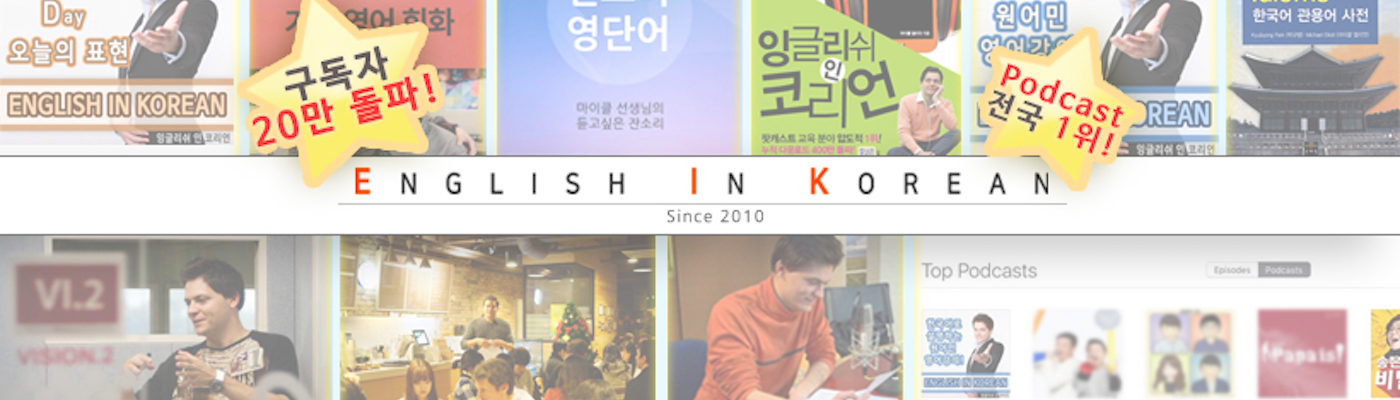

아직 안 보신 분들과 처음 오신 분들을 위해 제가 올린 동영상 강의 중 가장 도움이 될 만한 영상을 몇 개 다시 공유합니다! 원어민처럼 자연스럽게
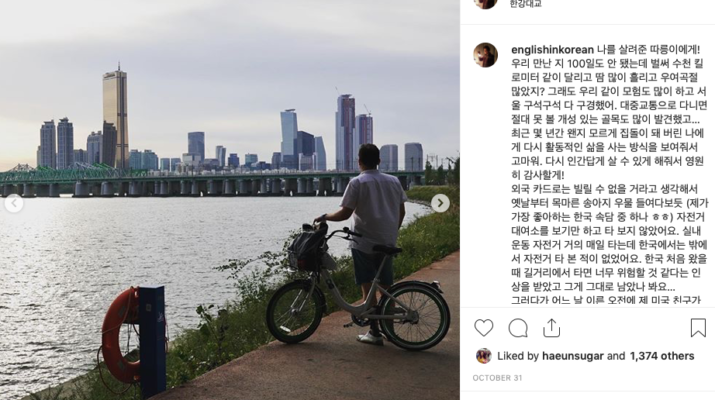
나를 살려준 따릉이에게!
우리 만난 지 100일도 안 됐는데 벌써 수천 킬로미터 같이 달리고 땀 많이 흘리고 우여곡절 많았지? 그래도 우리 같이 모험도 많이 하고 서울 구석구석
외국어 공부 천재는 없다 (외국인의 눈 칼럼 9)
며칠 전에 SNS에서 도는 신문 기사 하나를 읽었다. 인간의 삶에서 분야별로 능력의 최고 정점에 도달하는 평균 연령이 몇 살인가를 알려주는 과학 연구에 관한 기사였다.

언제 어디서나 올림픽 정신을 보여주는 한국! (칼럼 10)
최근에 어떤 공무원한테 ‘한국을 왜 그렇게 좋아하냐’는 질문을 받았다. 자원봉사로 통역할 기회가 있는지 알아보는 자리였는데 내가 2002년에 처음 한국에 왔다고 하니 물어본 것이었다. 지난
영어 교육은 돈 벌려고 선택한 길이 아닙니다…
영어 교육은 돈 벌려고 선택한 길이 아닙니다. 며칠 전에 서울 어느 학원에서 영어 강사로 일하는 친구를 오랜만에 만났어요. 이런저런 이야기를 하다가 그 친구는 요새 일을
중앙일보 칼럼 8: 사라져 가는 종이책
몇 달 전 출국할 때 인천공항에서 비행기를 기다리면서 국내 항공사가 새로 지은 비즈니스 클래스 라운지에 들어갔다. 비즈니스 클래스 표가 있어서는 아니고 미국 가는 비행기를
비싼 장비는 천천히… (칼럼 7)
비싼 장비는 열심히 노력한 데대한 보상이지 출발점은 아니다. 요새 한국에서도 팟캐스트와 유튜브 문화가 널리 번져가면서 비교적 이른 2010년부터 이 분야에서 활동해 온 나에게 많은
달마산의 따뜻한 품에 안긴 미황사 이야기 (칼럼 5)
한국어 처음 배우기 시작했을 때부터, 사실 한국에 오기도 전부터 막연한 꿈 하나가 있었다. 산속 깊이 자리 잡은 절의 통나무 바닥에 앉아서 유창한 한국어로 한국
한국어의 진짜 매력 (칼럼 4)
한국어를 공부하는 외국인을 만나면 한국사람들이 십중팔구는 하는 말이 하나 있다. ‘우리말은 외국인한테 얼마나 복잡하겠어? 노란색만 봐도 노르스름하다, 샛노랗다, 누렇다, 노리끼리하다처럼 다양한 표현이 있잖아’. 한국어
한국어를 배울 때 제일 힘든 점 (칼럼 3)
15년 전쯤 한국에 처음 여행하러 왔을 때였다. 같은 대학교 다니는 한국인 친구와 버스를 기다리다가 음료수 사러 사당역 근처 어느 편의점에 들어갔다. 그 전부터 한국과
두 지휘자 이야기 (칼럼 2)
그때는 미래에 대한 희망 가득한 달콤한 시절이자 아이에서 어른으로 거듭나는, 정체성을 알 수 없는 불안하고 힘든 시절이었다. 나는 예중, 예고, 예술 대학교 출신이다. ‘내
어학이 제공하는 제2의 아동기 (칼럼 1)
언어는 무궁무진한 세계다. 어학이라는 것은 그 세계에 통하는 문을 열어주는 열쇠라서 거의 마술에 맞먹는 특별한 매력이 있다. 나에게는 어렸을 때부터 모국어인 영어를 정복하고 플랭클린
아이들 문화 졸업해 다행 (칼럼 6)
아이들 문화 졸업해 다행 고등학생 때 나와 내 친구가 즐겨하던 일이 하나 있었다. 친구들이 우리 집에 올 때면 우리 어머니한테 미국인이라면 누구나 다 아는
사라져 가는 종이책 (칼럼 8)
그동안 계속 중앙일보 칼럼을 썼는데 공유한다는 것을 깜빡했어요 ㅎㅎ 앞으로 그 사이에 출간된 글 중에서 몇 가지를 여기서 공유할게요. 내년부터 덜 알려진 미국 여행지를
한국어보다 영어가 더 쉬운 두 가지 예
EiK Podcast 46 한국어보다 영어가 더 쉬운 두 가지 예 원래 이 사이트에서 영어의 어려운 점에 대해서만 이야기해왔는데 오늘은 영어가 한국어보다 더 쉬운 면
EiK Podcast 177: ‘설마’를 영어로 + ‘역시’ , ‘틀에 박힌 삶’ 표현 복습!
드디어 돌아왔습니다! 한국에서 최초이자 가장 오랜 역사 지닌 영어 교육 팟캐스트 EnglishinKorean! We’re back! Korea’s first and longest-running English podcast is finally back! 구글
EiK Podcast 176: ‘스펙 쌓다’를 영어로!
#영어공부 #영어회화 #영어 드디어 돌아왔습니다! 한국에서 최초이자 가장 오랜 역사 지닌 영어 교육 팟캐스트 EnglishinKorean! We’re back! Korea’s first and longest-running English podcast is
2022년도 최고의 유행어10가지!
#영어공부 #공부 #영어회화 #영어신조어 #영어 오늘 오랜만에 강의 동영상을 올립니다! 그동안 EnglishinKorean Plus 채널에서 거의 매일 생방송해왔지만 동영상 강의는 쉬고 있었어요. 이번 강의의 주제는
광고 없는 방송 재생 목록!
안녕하세요, 여러분 ~ 오늘 생방송 하루 쉬겠습니다. 대신 최근에 올린 방송에 모든 광고 없앴으니까 방해 없이 복습하실 수 있습니다! 이 재생 목록을 틀어보시고 정주행해
미드에서 뽑은 유용한 영어 회화 유형! (New!)
안녕하세요 EIK Plus 구독자 여러분, 오늘은 생방송 쉬지만 대신 오랜만에 학습 동영상을 올립니다! 구독자 여러분들 자주 들으셨겠지만 저한테 동영상 만드는 과정에서 편집하는 일이 제일
원어민들이 많이 쓰는 ‘in a pinch’의 용법 + by와 until의 차이점 복습!
‘We had a beef’란? Live Show!
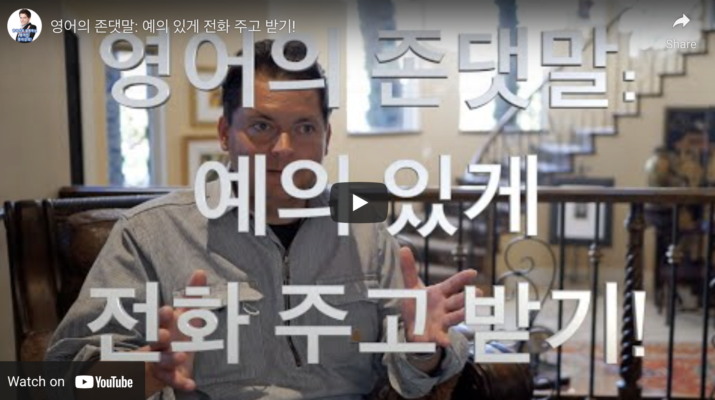
영어의 존댓말: 예의 있게 전화 주고받기!
2010년에 시작한, 한국의 첫 영어 유튜브 채널! Taking and making calls politely in English. www.Englishinkorean.com
원어민들이 많이 쓰는 ‘show someone ropes’란? + 영어 즉문즉답
영어의 존댓말: 예의 있게 전화 주고 받기!
2010년에 시작한, 한국의 첫번째 영어 유튜브 채널! Making calls and taking calls in polite English. 오랜만에 동영상 강의를 올립니다! 이번 영상에서는 일상적으로 자주 벌어지는